Cost Per Wear: Why Investing in Quality Clothing Actually Saves Money
We’ve all been there. You find a cute top for $20 and think you’re getting a great deal. But after a few washes, it’s pilled, faded, or falling apart. Meanwhile, that $80 sweater you bought five years ago still looks pristine. The difference isn’t just about price. It’s about cost per wear, a simple calculation that shows why investing in quality pieces actually saves you money in the long run. A thoughtful wardrobe built around durable, timeless items costs significantly less over time than constantly replacing cheap pieces that wear out quickly.
What is Cost Per Wear?
Cost per wear is a simple way to measure the true value of a piece of clothing. It’s calculated by dividing the price of an item by the number of times you actually wear it. The lower the cost per wear, the better the investment.
Here’s an example. Let’s say you buy a $30 basic white tee from a fast-fashion brand. You wear it maybe 10 times before it fades and shrinks. Your cost per wear is $3 per wear. Now compare that to a $60 quality white tee from a brand known for durability. You wear it 100 times over five years because it holds up beautifully. Your cost per wear is only $0.60 per wear.
That $60 tee is actually six times cheaper to wear than the $30 version. When you look at your wardrobe through this lens, everything shifts. Suddenly, a higher price tag doesn’t seem so scary. What matters is how many times you’ll actually reach for the piece and how long it will last.
This is especially true with investment pieces like quality shoes, leather handbags, and classic clothing basics. The upfront cost is higher, but the longevity makes them far more affordable than constantly buying and replacing cheaper alternatives.
Real Price Comparisons: Why Quality Actually Costs Less Per Wear
Basic White Tee
Fast fashion version: $25, worn 15 times before shrinking and pilling. Cost per wear: $1.67
Quality version: $65, worn 150 times over several years. Cost per wear: $0.43
That quality tee is nearly four times cheaper to wear. And here’s why. Brands like Buck Mason, Everlane, and Leset use heavier-weight cotton with reinforced stitching that holds up through dozens of washes. The neckline stays intact, the fabric resists pilling, and the fit doesn’t shift. It becomes the tee you actually reach for constantly.
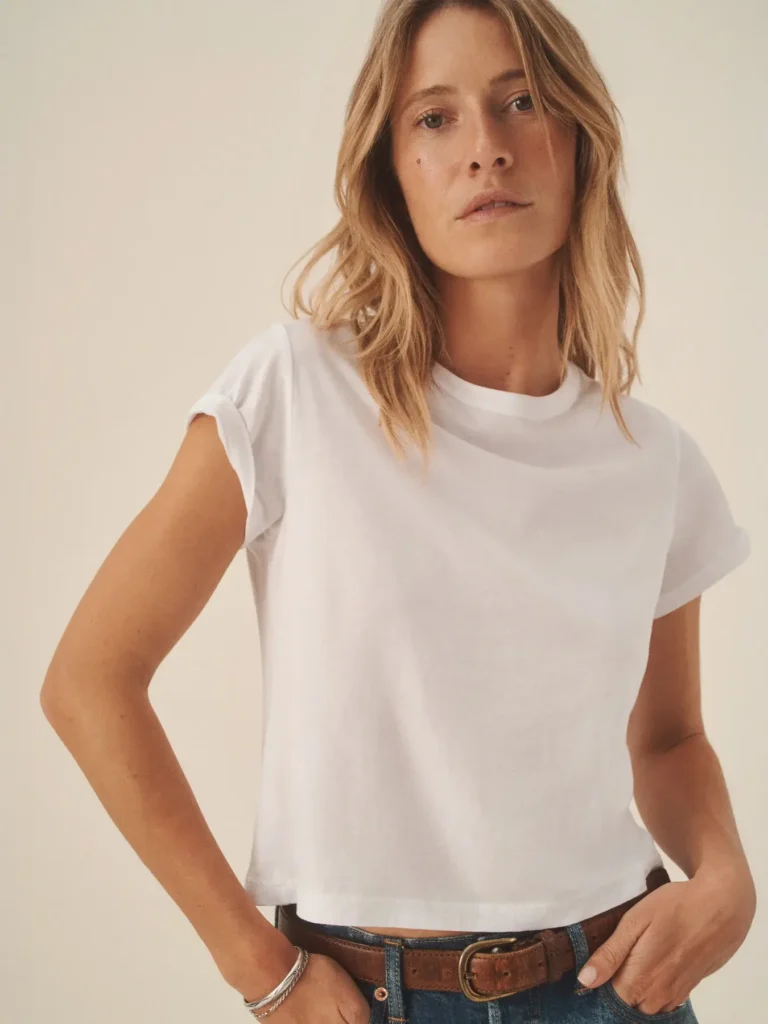
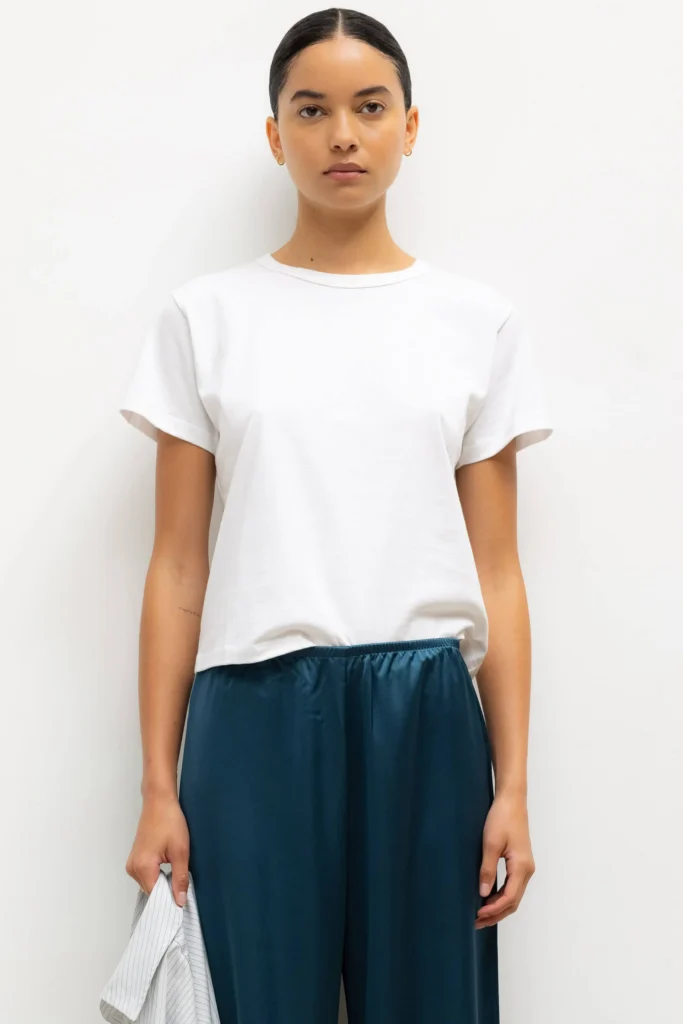
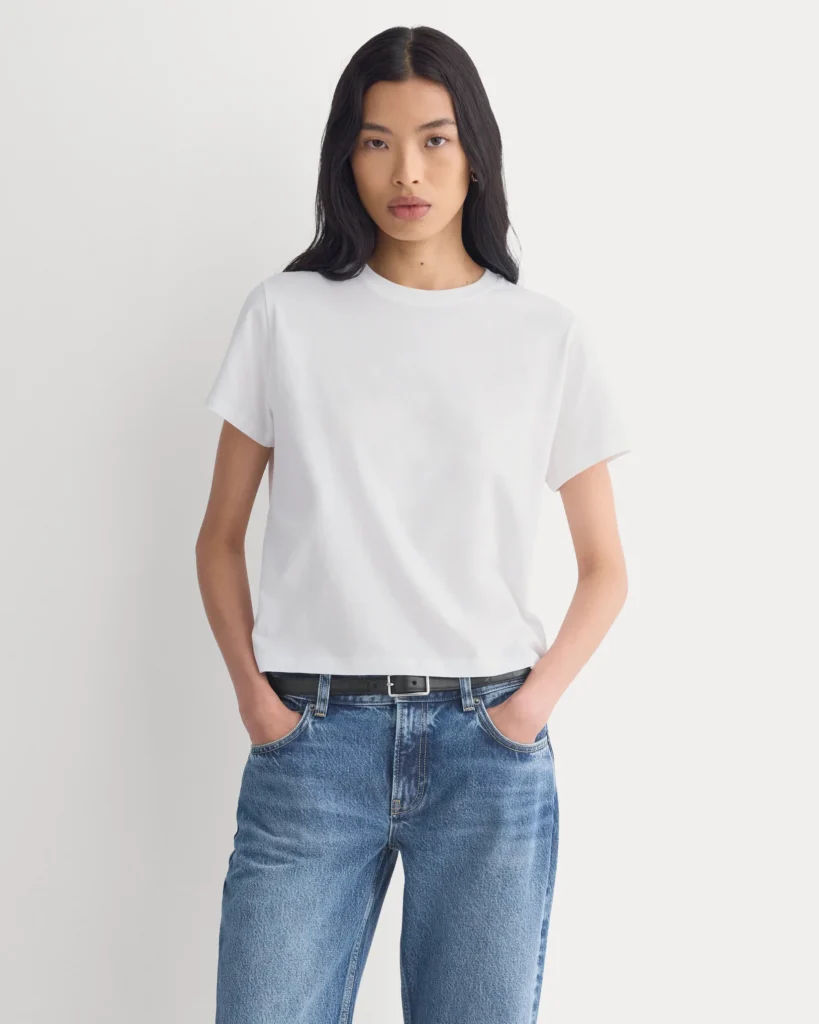
Buck Mason Pima Boxy Crew | LESET The Margo T-Shirt | Everlane The Box-Cut Tee
Everyday Jeans
Fast fashion version: $40, worn 20 times before the seams fray and fabric thins. Cost per wear: $2.00
Quality version: $120, worn 200 times over years. Cost per wear: $0.60
Over time, you’d need to buy five pairs of fast-fashion jeans to match the wear of one quality pair. That’s $200 versus $120. Brands like Levi’s, AYR, and Agolde invest in premium denim with a higher cotton content and better construction. The seams are reinforced, the indigo dye holds its color through countless washes, and the fit actually improves as the fabric breaks in. These are the jeans that last decades, not seasons.
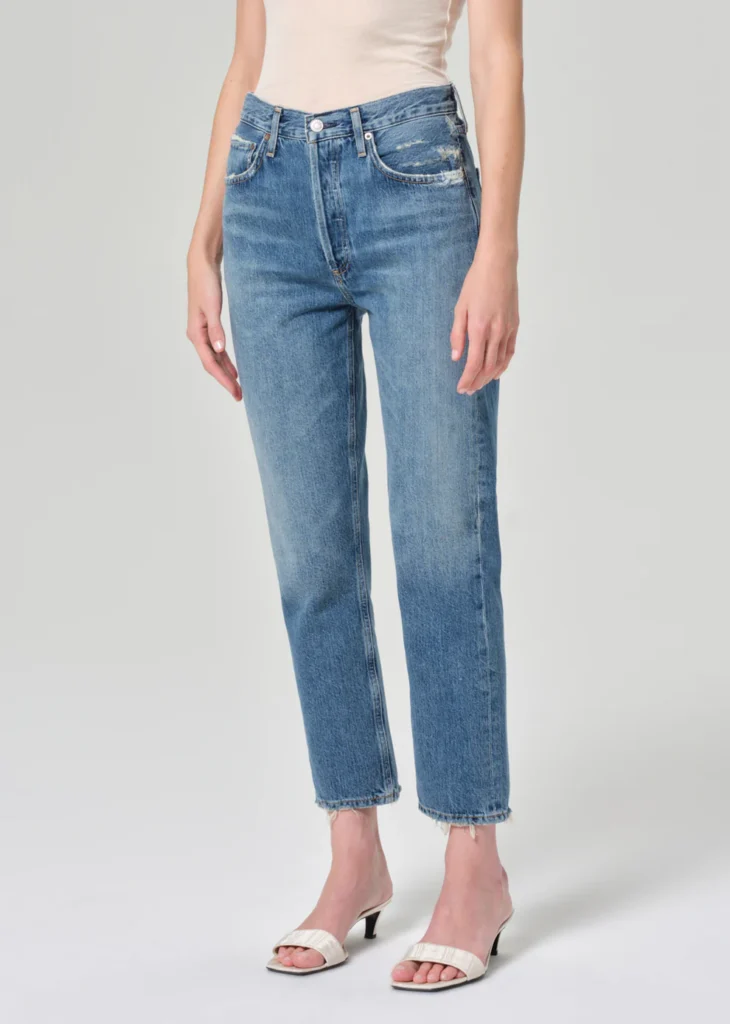
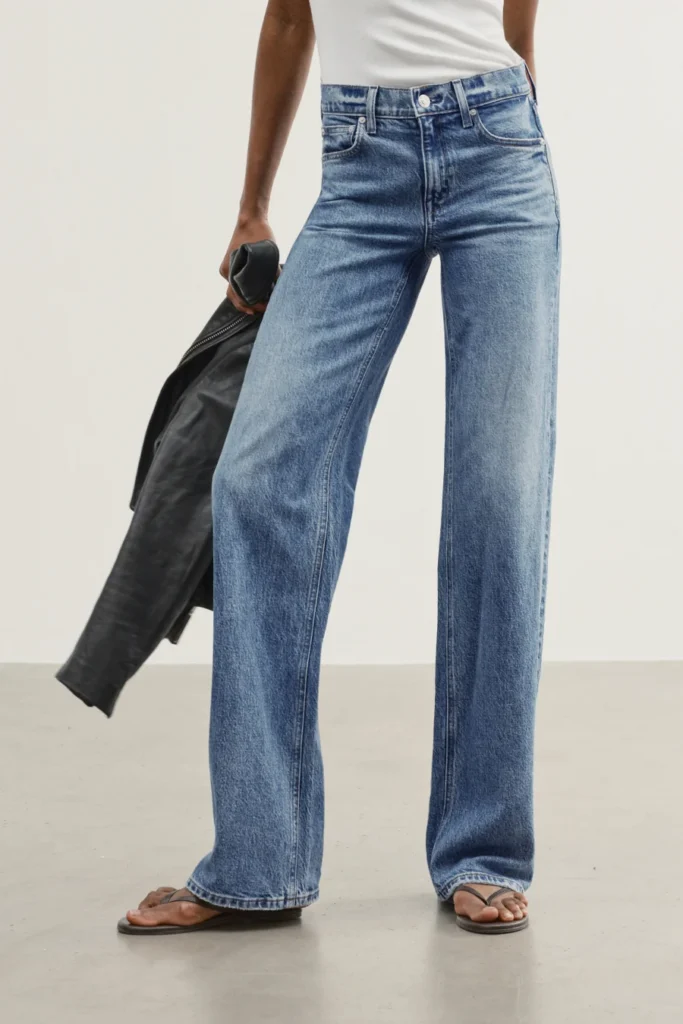
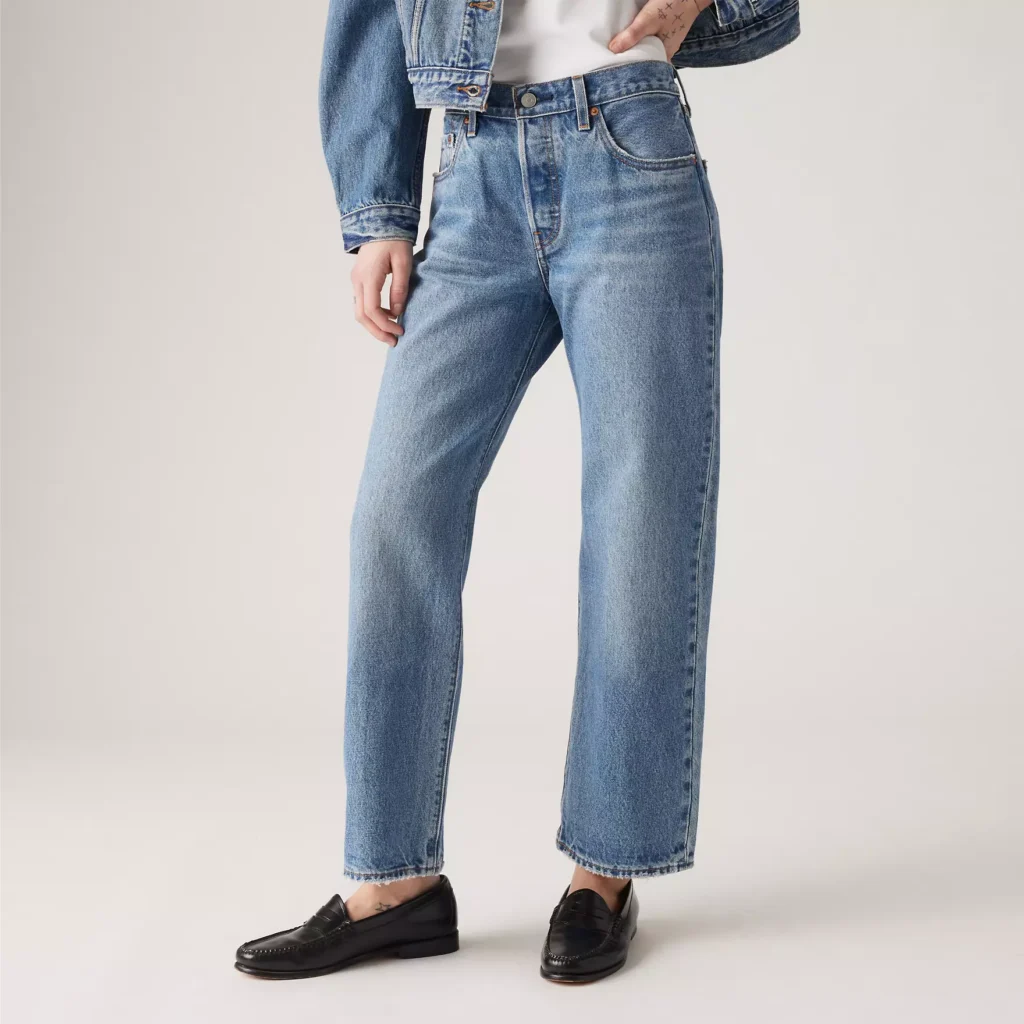
AGOLDE High Rise Straight Crop Denim | AYR The Secret Sauce Denim | Levi’s 501 90’s Ankle Denim
Leather Handbag
Fast fashion version: $60, worn 30 times before the handles crack and lining tears. Cost per wear: $2.00
Quality leather version: $200, worn 500 times over many years. Cost per wear: $0.40
A quality leather bag becomes an investment piece that works with your wardrobe for decades. Brands like Polene Paris, Cuyana, and Sezane use full-grain or top-grain leather that develops character with age. The stitching is tight and even, the hardware is substantial, and the lining is durable canvas or microsuede rather than cheap synthetic material. Real leather actually improves over time—those scratches and marks create a unique patina that tells the story of your life with the bag.
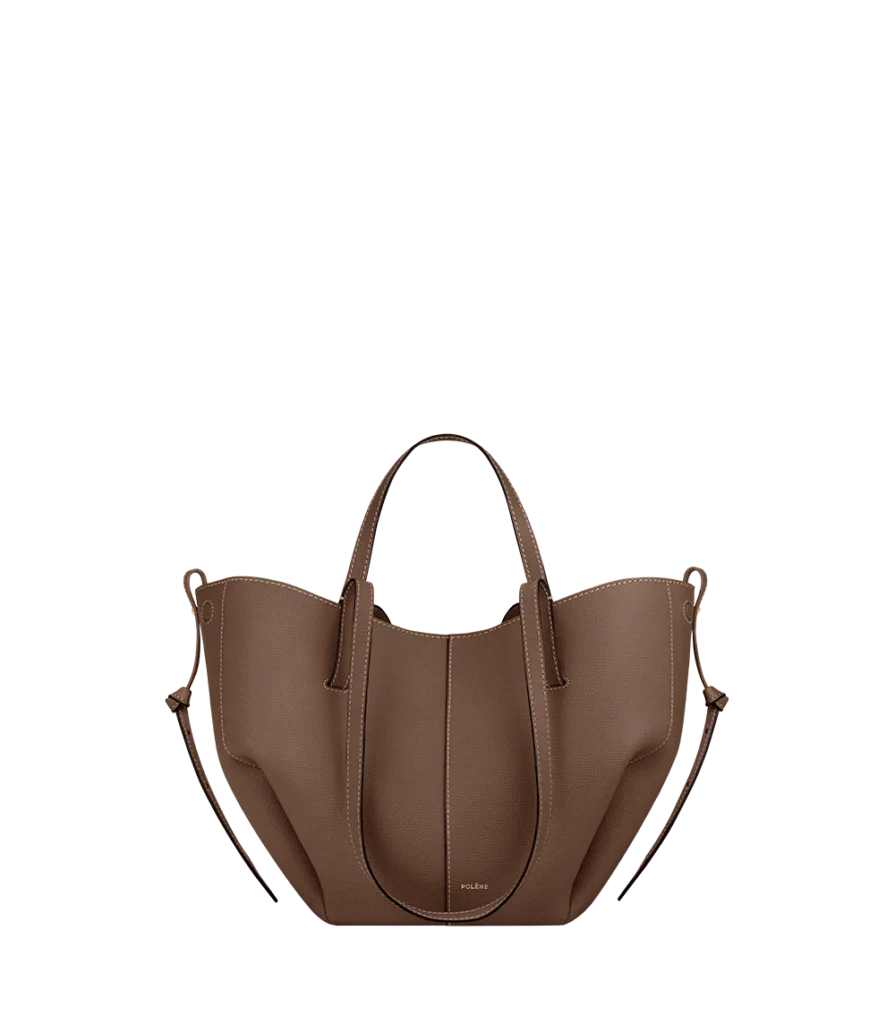
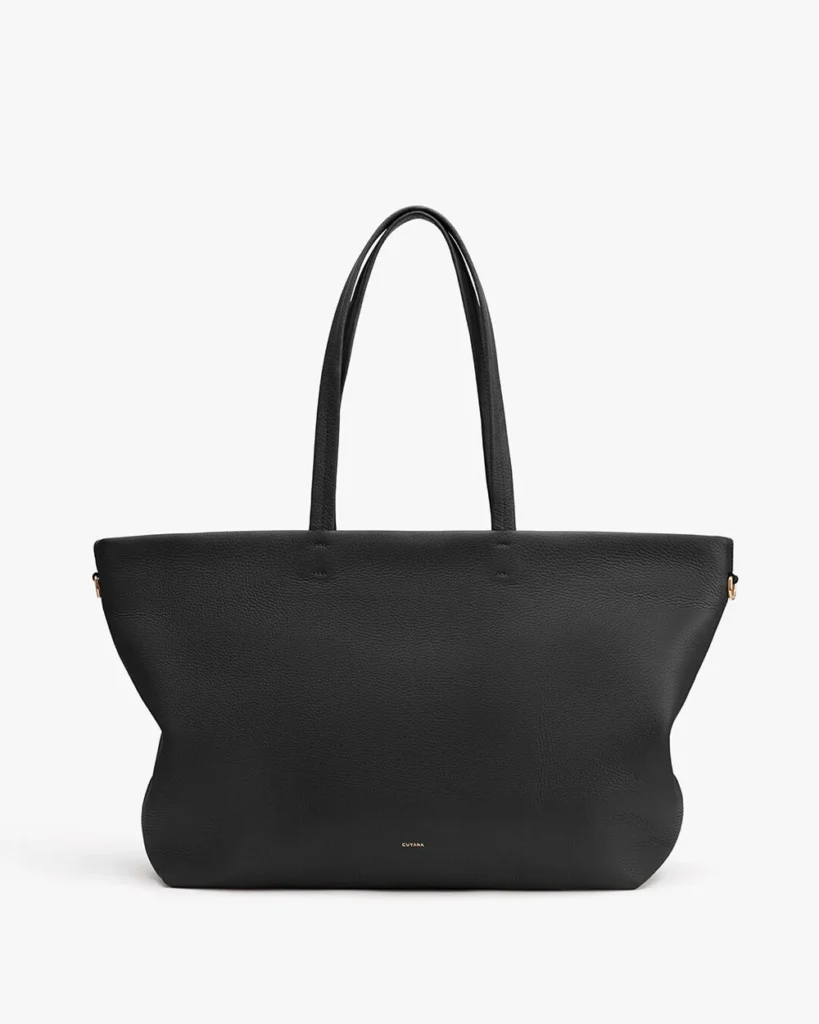
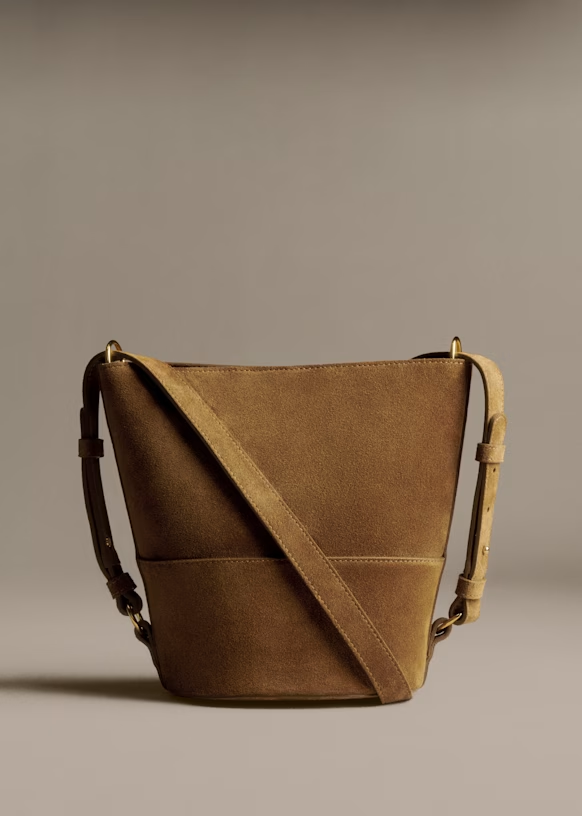
Polène Cyme Mini Tote | Cuyana Classic Easy Zipper Tote | Sézane Gary Bag
How to Shop With Cost Per Wear in Mind
Once you understand cost per wear, shopping becomes a lot more intentional. Instead of chasing trends or grabbing cheap pieces, you start asking smarter questions. Here’s how to apply this thinking to your next shopping trip.
Invest in Basics First
The pieces you reach for constantly should be your priority. A quality white tee, well-fitting jeans, and a versatile handbag deserve investment. These basics anchor your entire wardrobe and get worn far more often than trendy pieces.
Check Material Quality
Feel the fabric. Heavier cotton holds up better than thin, flimsy versions. Real leather develops character and lasts decades. Reinforced seams and quality stitching are worth the extra cost. Materials matter more than you think.
Consider Versatility
Ask yourself: How many outfits can I build with this? Does it work across seasons? Will I wear it in two years? The more versatile a piece, the higher your wear count and the lower your cost per wear.
Look at Construction Details
Examine the seams, hems, and hardware. Quality pieces are sewn with precision. Zippers glide smoothly. Buttons are secure. These details reveal how long a piece will actually last.
Factor in Care and Maintenance
Quality pieces often need proper care to last. Budget time for gentle washing, storage, and occasional repairs. A well-maintained quality item outlasts rushed, careless treatment of cheap pieces every time.
Do the Math
Before buying, do a quick calculation. If a piece costs $100 and you’ll wear it 200 times, that’s $0.50 per wear. If you’ll only wear it 10 times, it’s $10 per wear. That simple math changes everything about how you shop.
Build a Quality Wardrobe That Works for You
Building a wardrobe around quality, versatile pieces is an investment in yourself. Cost per wear changes how you shop. The most expensive piece isn’t always the most expensive to wear. When you focus on durability and timeless design, you build a closet that lasts longer.
If you’re ready to invest in quality pieces that work for your life, our personal stylists can help. We’ll guide you toward investment pieces that fit your budget. Then we’ll build a capsule wardrobe that actually pays dividends. Reach out to book a personal styling session, and let’s create a quality wardrobe that’s worth every penny.